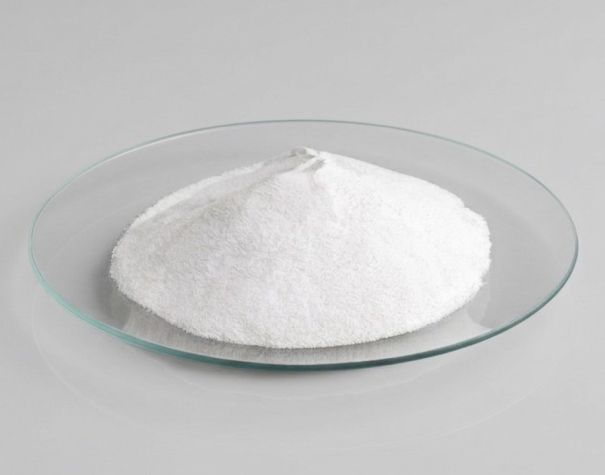
Sodium Hydrosulfite
- Powder type

Quality Specifications
-
Molecular Formula Na2S2O4
-
Molecular Weight 174.1
-
Appearance White free flowing powder
-
Odor Odorless or with a slight odor of SO2
-
Na2S2O4 88% ±2%
-
Na2SO3 7.5%
-
Na2CO3 2~3%
-
Na2S2O3 0.6%
-
Lead (Pb) 0.003% max.
-
Iron (Fe) 0.003% max.
Product Characteristics, Uses, and Packaging Storage
[Characteristics]:
Sodium hydrosulfite must be stored in dry, hermetically sealed containers, where it remains highly stable. In its dry powder form, it undergoes thermal decomposition if temperatures reach 75–80°C. A freshly prepared 1% aqueous solution exhibits a pH of approximately 8. If the pH drops to 5, the rate of decomposition accelerates significantly. Prolonged exposure of sodium hydrosulfite to humid air—specifically where moisture levels exceed 15%—will cause moisture-induced decomposition. This exothermic reaction generates a massive amount of heat, which can trigger spontaneous combustion (fire hazard). Therefore, it is critical to protect the product from moisture and elevated temperatures during storage and handling to ensure operational safety.
| Project Details | |
|---|---|
| Main Uses | Textile Dyeing & Finishing: The primary application of sodium hydrosulfite is as a powerful auxiliary agent for vat dyeing in the textile industry. It is widely used in general dyeing processes, reduction clearing (reductive clearing), bleaching, printing, and color stripping. |
| Fiber Bleaching: Highly effective for bleaching textiles, silk, wool, and nylon fibers. | |
| Dye Manufacturing: Functions as a critical reducing and bleaching agent in the dye manufacturing sector. | |
| Packaging & Storage | 1. Packaging Method: Supplied in 50 kg iron drums with internal plastic liners. |
| 2. Storage Environment & Hazards: Exposure of sodium hydrosulfite to air or moisture triggers a highly exothermic reaction, liberating significant thermal energy that can cause spontaneous combustion. Therefore, it must be stored in a cool, dry, and well-ventilated area within hermetically sealed containers to prevent moisture ingress. Keep strictly away from heat, elevated temperatures, open flames, as well as acidic and oxidizing chemical substances. |